














Employee retention is an organization's ability to retain employees, and reduce turnover through positive workplace practices.
The process of retaining employees encompasses the strategies and actions organizations implement to maintain a stable, productive workforce.
When calculating employee retention, you'll need to focus on the percentage of employees who stay with your organization during a specific timeframe. The formula involves dividing the number of employees who remained employed for the entire measurement period by the number of employees at the start of the measurement period, then multiplying by 100.
Employee Retention Rate(%)= (Number of employees at the start of the period / Number of employees who remained employed for the entire period) ×100
Furthermore, employee retention goes beyond just keeping staff on payroll.
According to SHRM research, employees rank five key factors that drive job satisfaction: respectful treatment, fair compensation, trust in senior management, job security, and opportunities to use their skills.
The financial implications of poor retention are significant. Research shows that replacing an employee can cost anywhere from 30% to 200% of the departing person's salary. Additionally, U.S. businesses lose up to $1 trillion annually due to voluntary turnover.
Your retention efforts particularly matter during periods of low unemployment and heightened competition for talent. Poor retention creates multiple challenges:
- Lost institutional knowledge and productivity
- Increased workload for remaining staff
- Higher recruiting and training costs
- Potential damage to company reputation
- Decreased employee morale
Consequently, managing retention requires strategic actions to keep employees motivated and focused on contributing to organizational success. A well-planned retention program plays a vital role in both attracting and retaining key employees while reducing turnover-related costs.
The financial stakes of losing talented employees are staggering. U.S. businesses lose $1 trillion annually from voluntary turnover.
In fact, replacing a single employee can cost between 50% to 200% of their annual salary.
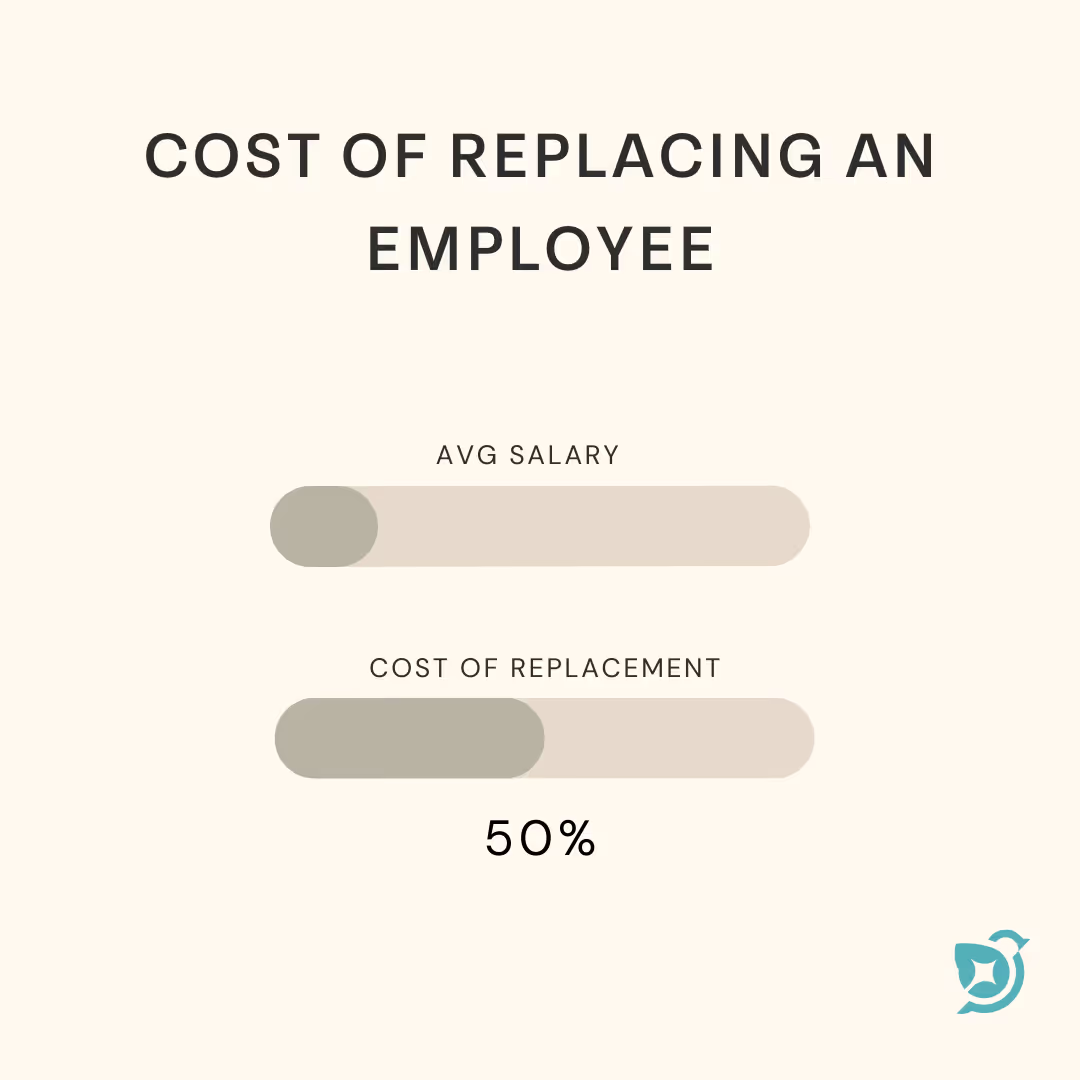
For example, a 100-person company with an average salary of $50,000 can experience turnover expenses from $660,000 upto $2.6 million yearly.
Moreover, these costs extend beyond direct financial impact, and can affect multiple aspects of your business operations.
When employees leave, your organization could face critical financial drains such as:
- Lost productivity: This costs U.S. businesses $1.8 trillion annually.
- Training investments: 10-20% of a departed employee's salary over 2-3 years vanish.
- Recruitment costs are higher: Advertising, interviewing, screening, and hiring costs can total upto 6-9 months of an employee's salary. [ Workable ]
- Unplanned costs: Temporary staffing and overtime expenses are needed to cover workforce gaps.
Notably, 52% of departing employees state their exit could have been prevented. This highlights a crucial point - most turnover costs are avoidable with proper retention strategies.
High turnover could negatively impact your company's bottomline like a block of dominoes. When someone leaves, teams must constantly readjust to new members, that could lead to workflow disruptions and decreased efficiency.
This instability can damage your company's reputation, erode brand loyalty, and negatively impact sales.
Therefore, it is important for you to know the bottomline facts, and focus on retaining retaining your workforce, as it means preserving valuable institutional knowledge and proven skills. These veteran employees shine brightest during crises or emerging opportunities, knowing exactly when and how to take the right actions.
Strong employee retention creates a positive ripple effect throughout your organization. Beyond the obvious financial advantages, retaining experienced staff members yields multiple strategic benefits.
Teams with long-term members develop stronger bonds and work more efficiently together. Research shows that teams with high retention rates are 8.9 times more likely to have effective collaboration practices. Here are a few benefits of retaining your workforce.
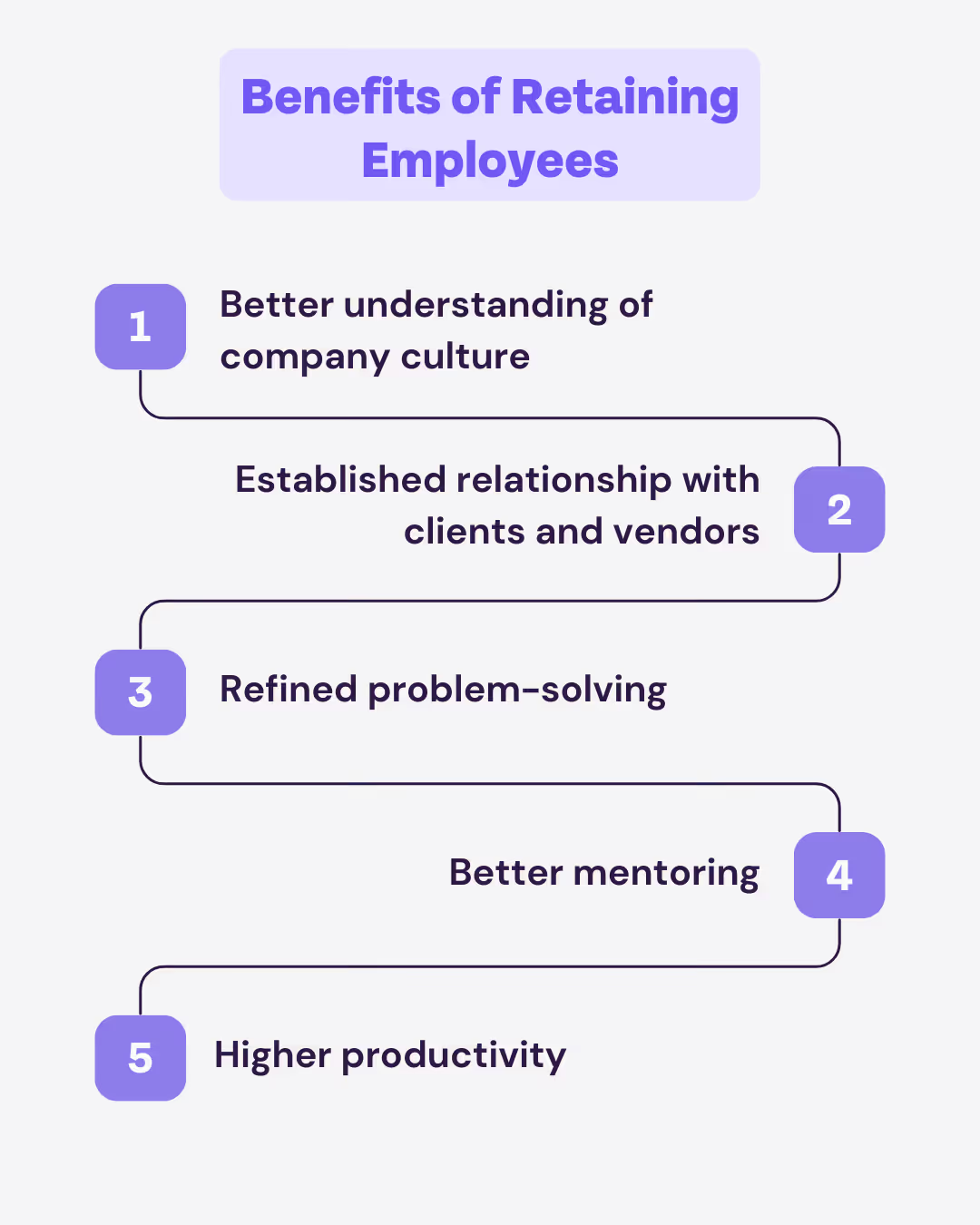
- Deeper understanding of company culture and values
- Established relationships with clients and vendors
- Refined problem-solving abilities from past experiences
- Ability to mentor new team members effectively
- Higher productivity levels through process mastery
Existing employees with good engagement demonstrate stronger commitment to organizational goals. Staff members who stay with your company for more than three years show 3.5 times more engagement in workplace initiatives.
As well as boosting overall productivity, stable teams foster innovation.
According to research, such teams innovate 23% more creative solutions compared to teams with high turnover rates.
Similarly, customer satisfaction rises with employee retention. Clients build trust with familiar faces, leading to 18% higher customer satisfaction scores in companies with strong retention rates.
Therefore, investing in retention strategies pays off through improved workplace culture. Organizations with high retention rates report 41% lower stress levels among staff and 37% better work-life balance scores.
Stable teams also maintain consistent quality standards. Your retained employees perfect their skills over time, reducing errors by up to 28% compared to newer staff members. This expertise translates into smoother operations and reliable service delivery.
Understanding what drives your workforce to stay or leave requires examining multiple interconnected factors. Research reveals that inadequate compensation remains the primary reason for employee departures, with 74% of HR professionals citing it as the top factor.
Compensation and Benefits significantly influence retention decisions.
Studies show that every $1.00 per hour decrease in pay results in a 28% increase in turnover rates. Beyond base salary, employees seek comprehensive benefits packages that support their overall well-being. Workplace flexibility has emerged as a crucial retention driver. A positive work-life balance, including flexible schedules and remote work options, helps employees manage their personal and professional responsibilities effectively. Indeed, 76% of employees report experiencing burnout effects, making work-life balance initiatives essential.
Career advancement opportunities play a vital role in keeping talent. Research indicates that 63% of employees who quit cited lack of career development as their main reason for leaving. Organizations with strong learning cultures experience 30-50% higher engagement and retention rates.
Alongside development opportunities, management quality shapes retention outcomes. Only 28% of employees strongly recommend their managers to others, highlighting the impact of leadership on workforce stability.
Recognition and workplace culture form the foundation of successful retention strategies. Primarily, 85% of workers feel more motivated when incentives are offered. A positive company culture connects deeply with employees - those who feel strong cultural connections are:
- Four times more likely to be engaged at work
- 43% less likely to seek new employment
- 21% more productive in their roles
Ultimately, organizations that prioritize these factors create an environment where employees want to stay long-term. Companies investing strategically in employee development see an 11% increase in profitability, demonstrating the tangible benefits of comprehensive retention efforts.
Spotting potential employee departures requires attention to subtle behavioral changes. Studies show that more than 60% of employees are not engaged, and 15% are actively disengaged.
Changes in work patterns often signal departure intentions.
On another note, disengaged employees show 49% more accidents and cause 60% more errors in their work.
Although productivity typically declines first, employees might also become reluctant to commit to long-term projects or participate in strategic planning. Generally speaking, these key warning signs indicate potential turnover:
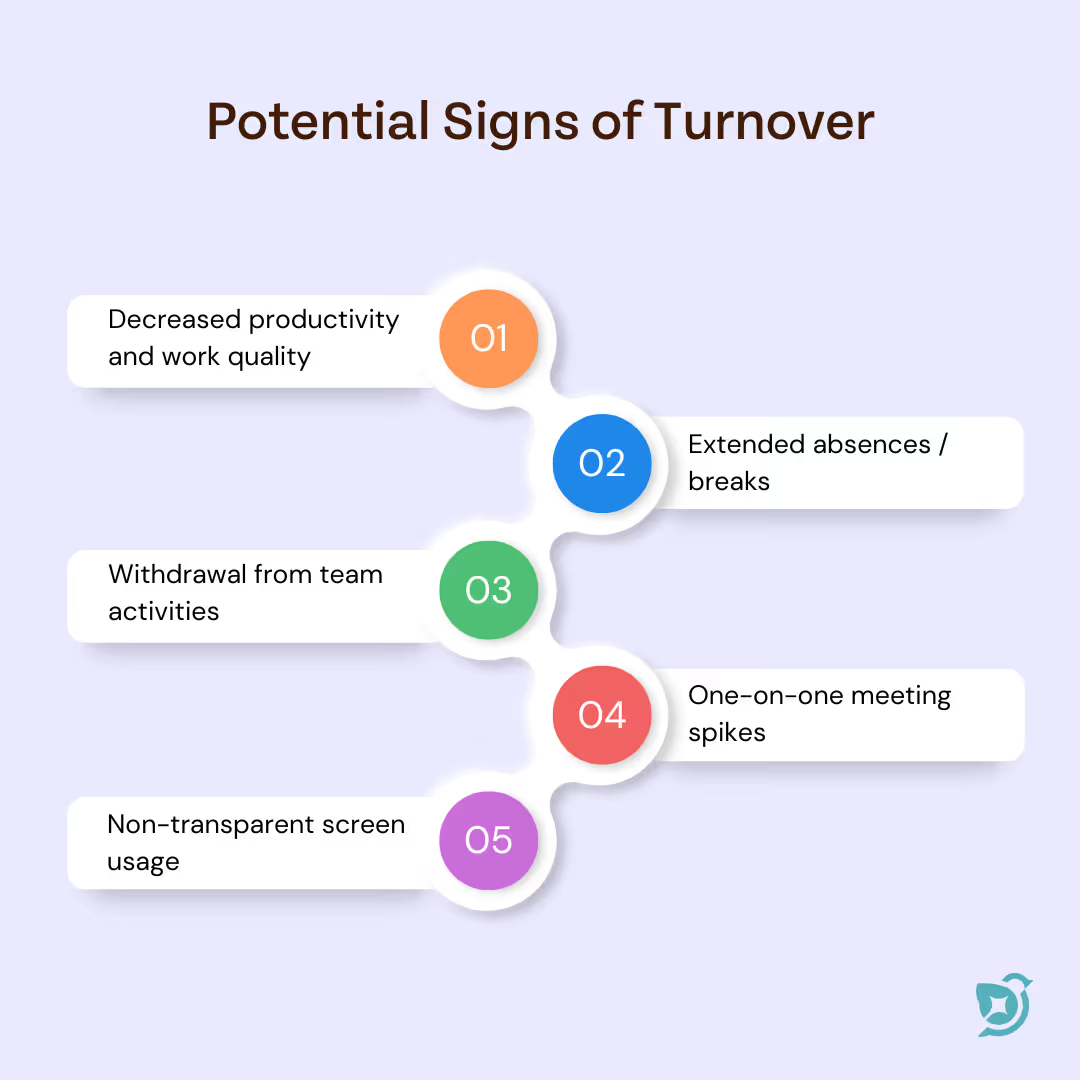
- Decreased productivity and work quality
- Uncharacteristic absences or extended breaks
- Withdrawal from team activities and collaboration
- Sudden spike in one-on-one meetings with HR
- Minimizing screens when managers approach
Undoubtedly, attendance patterns provide valuable insights.
Research indicates that disengaged employees have 37% higher absenteeism rates than their engaged counterparts. Moreover, employees who had an early sense of not belonging were three times more likely to leave within the first six months.
Behavioral shifts often manifest through team interactions. Regardless of past performance, employees considering departure might show less enthusiasm for mentoring others or participating in company initiatives.
Research confirms that many people decide whether to stay or leave within their first six weeks. Unless addressed promptly, these warning signs can lead to actual departures.
As companies with low employee engagement experience 16% lower profitability and 37% less job growth, it is important to understand these indicators which can help enable proactive intervention before valuable team members decide to leave.
Measuring employee retention requires tracking specific metrics that reveal workforce stability patterns. The basic formula calculates retention rate by dividing the number of employees who remained during a time period by the number at the start, multiplied by 100.
Following this calculation, organizations should monitor these crucial metrics:
- Overall retention rate - Measures workforce stability across the company
- Voluntary turnover rate - Tracks employees choosing to leave
- Retention rate per manager - Evaluates leadership effectiveness
- New hire satisfaction - Assesses onboarding success
- Talent turnover rate - Monitors loss of key performers
Primarily, tracking retention by department or position provides deeper insights into specific areas needing attention. This granular analysis helps optimize budgets and resources based on departmental needs.
Alongside basic metrics, employee surveys serve as valuable tools to understand why workers stay. Anonymous feedback through these surveys helps HR teams improve retention strategies.
Subsequently, measuring employee satisfaction through the Employee Satisfaction Index (ESI) provides scores between 0 to 100, with higher numbers indicating greater satisfaction.
Hence, organizations should conduct regular retention analysis, typically on an annual basis. This consistent monitoring helps identify trends and allows for timely interventions when retention rates decline.
The cost impact of turnover must be carefully measured, considering factors like advertising expenses, background checks, training costs, and productivity loss during transitions. By tracking these metrics systematically, companies can develop targeted strategies to maintain a stable workforce.
There are several proven models with structured approaches that you can use to boost employee retention. Fundamentally, these frameworks help identify and address key factors affecting workforce stability.

Herzberg's Two-Factor Theory remains one of the most influential retention models. This framework divides workplace factors into two categories: hygiene factors (working conditions, salary, company policies) and motivation factors (growth potential, meaningful work, recognition). Chiefly, organizations must address both sets of factors to maintain an engaged, productive workforce.
Maslow's Hierarchy of Needs applies directly to workplace retention. This model emphasizes satisfying basic employee needs first, from job security to self-actualization. Research shows teams focusing on this hierarchy experience 87% lower turnover rates.
The Resource-Based Theory (RBV) suggests that employees who feel most valuable to their companies demonstrate higher loyalty. Markedly, this approach focuses on making each team member feel essential to organizational success.
The Social Exchange Theory examines how employees weigh workplace risks against rewards. Organizations applying this model see 41% reduced absenteeism by creating positive work relationships.
The Human Capital Theory emphasizes investing in employee development through education and training. Companies following this approach report 59% less attrition.
The Organizational Equilibrium Theory proposes that retention depends on balancing employee contributions with organizational rewards. Studies show that teams achieving this balance are 21% more profitable.These models share a common thread - prioritizing employee experience leads to stronger retention. Organizations implementing these frameworks see measurable improvements:
- 42% reduction in preventable turnover
- Four times higher engagement levels
- 43% decrease in active job searching
Primarily, successful application requires regular assessment and adjustment of these models based on your organization's unique needs and workforce dynamics.
1. Hire Right from the Start
Strong retention begins with smart recruiting. Make sure recruiters are upfront about what the job entails and what the company culture is like. Setting realistic expectations helps prevent surprises down the road.
2. Competitive Compensation
Compensation is still a critical retention factor, but it’s not the only one. Interestingly, research shows 23% of job seekers would accept a new position without a pay bump, and 74% of younger workers say they’d take a pay cut for a role they truly love.
Money matters, but so does passion and purpose.
3. Focus on the Core Retention Drivers
An effective retention strategy covers several key areas:
- Recognition Programs: 63% of recognized employees say they’re “very unlikely” to leave.
- Career Advancement: 82% consider quitting when they can’t see a path forward.
- Work-Life Balance: Remote options, flexible schedules, and respect for personal time.
- Learning Opportunities: Tailored professional development significantly boosts satisfaction.
- Competitive Benefits: Regularly review market trends to keep your packages attractive.
4. Build a Culture of Recognition
Appreciation, respect and acknowledgment are huge motivators. In fact, employees who feel respected by their managers report 63% higher job satisfaction. Yet, only 29% of workers feel genuinely satisfied with the career growth options at their current company. And according to How and Influence People?", Giving genuine appreciation is a fundamental technique in handling people When we acknowledge something positive about others, we make them feel important and let them know they matter
5. Invest in Talent Development
Offering clear career paths and regular growth discussions can make a world of difference. Encourage managers to hold consistent one-on-one meetings to discuss employee goals and chart out advancement opportunities. When people see a future with your organization, they’re more likely to stay.
6. Treat Employees as Individuals
Ultimately, retention hinges on valuing people for their unique contributions. High performers, in particular, thrive on consistent recognition and support. Without acknowledgment, they can become frustrated or seek opportunities elsewhere.
By focusing on these areas—transparent hiring, fair compensation, genuine recognition, clear development paths, and treating employees like the individuals they are—you’ll be well on your way to building a workplace where people want to stay and grow.
Help Prevent Turnover and Improve Retention with ThriveSparrow
ThriveSparrow is an employee success platform designed to boost workforce retention through data-driven approaches.
1. AI-Driven Text Insights
ThriveSparrow uses advanced AI to analyze employee sentiment with remarkable accuracy. By highlighting early signs of disengagement, HR teams can address issues before they turn into larger challenges.
2. Engaging Heatmap Technology
Heatmap views allow HR professionals to identify teams or departments with lower engagement levels. Targeted interventions can then prevent turnover where it matters most.
3. Seamless Peer Recognition: “Kudos”
ThriveSparrow’s recognition module, Kudos, encourages a culture of appreciation. Integrated directly with Slack, it makes acknowledging good work a natural part of daily communication.

4. Dedicated Support and Onboarding
A dedicated customer success partner and 24x5 support ensure your team always has expert guidance. Meanwhile, ThriveSparrow’s implementation team provides a smooth rollout, and research-backed templates simplify survey creation.
5. Advanced Analytics and Confidentiality
ThriveSparrow’s analytics and heatmap tools help you decode feedback patterns and monitor progress.
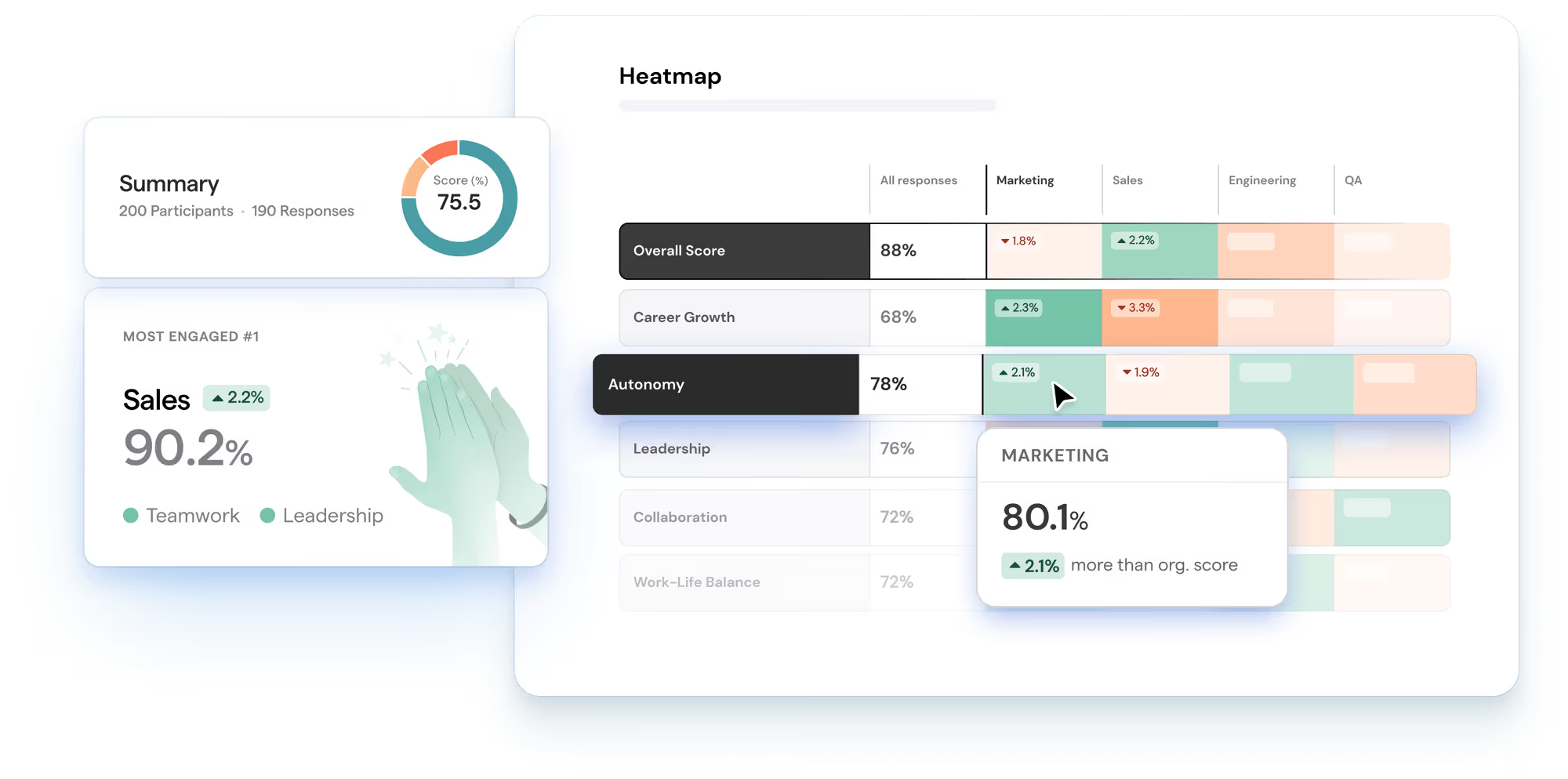
Surveys are kept anonymous, so employees feel safe sharing honest feedback—a crucial factor in spotting retention risks early on.
6. Results Beyond Retention
Organizations using ThriveSparrow often see their highest retention rates ever, along with increased employee satisfaction and a stronger workplace culture. By creating an environment where people feel valued and heard, the platform helps ensure a long-term, motivated workforce.
Schedule your free consultation with us today.


